Why Modern Homes Are Switching to Reverse-Cycle Air Conditioning
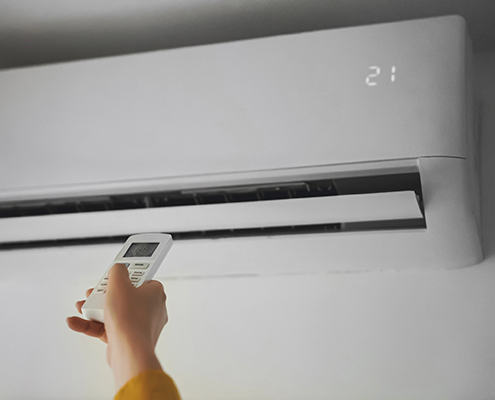
If you look at renovation trends over the last decade, one upgrade stands out: reverse-cycle air conditioning has become the default for comfort and efficiency in Australian homes. What started as a premium summer cooling solution is now just as important for winter heating — especially in South Australia’s unpredictable weather.
The reason is simple: reverse-cycle air conditioners are heat pumps, and heat pumps are extremely efficient. For every 1 kWh of electricity consumed, a typical modern system can deliver 3–5 kWh of cooling or heating. This makes reverse-cycle one of the cheapest ways to stay comfortable year-round and a clear improvement over portable heaters, panel heaters, or older gas ducted systems.
Heating Matters More Than Most People Think
Cooling gets all the attention, but heating is where homeowners often spend the most money over winter. Gas ducted heating is notoriously expensive to operate, especially if you’re only trying to heat part of the home. Reverse-cycle splits allow room-by-room control, so you only condition the areas you’re actually using.
Comfort + Control + Modern Living
Reverse-cycle brings a few under-appreciated lifestyle improvements:
-
Quiet operation
-
Individual zoning
-
Improved air quality
-
Reduced drafts
-
Less dust movement than ducted gas
-
On-demand instant cooling/heating
-
Smart remotes & Wi-Fi control (optional)
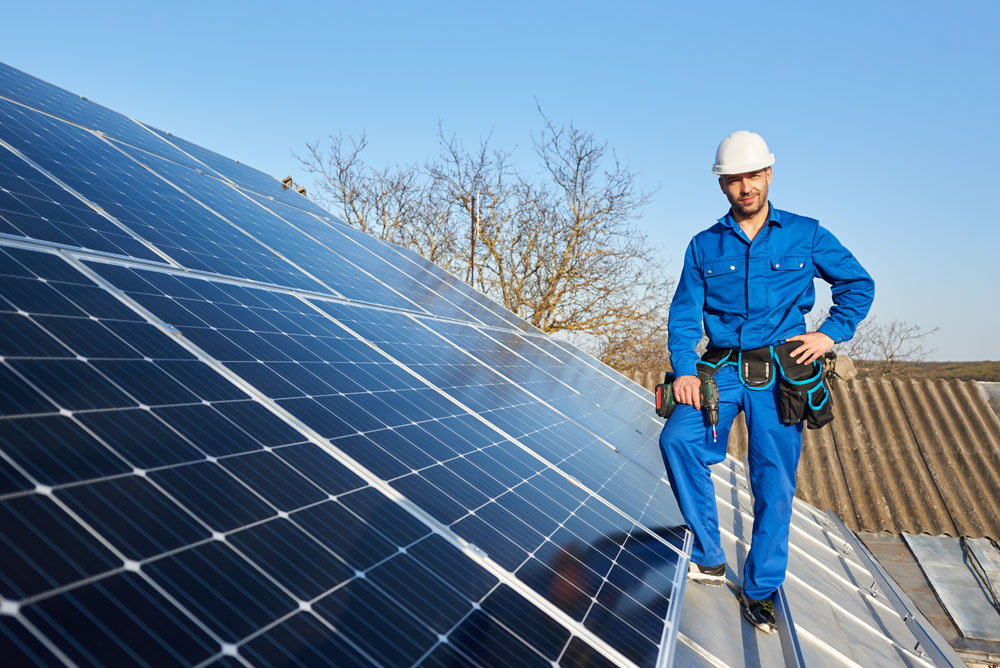
For many households, upgrading to reverse-cycle is also the first step toward electrifying the home and reducing dependence on gas. This becomes especially powerful once solar enters the picture — because that’s when the financial value of aircon really kicks in.