







Gas to electric: get your home off gas
Getting off gas works best as a sequence, not one big purchase. We start with your power and gas bills and show you which change to make first.

How do I get my home off gas?
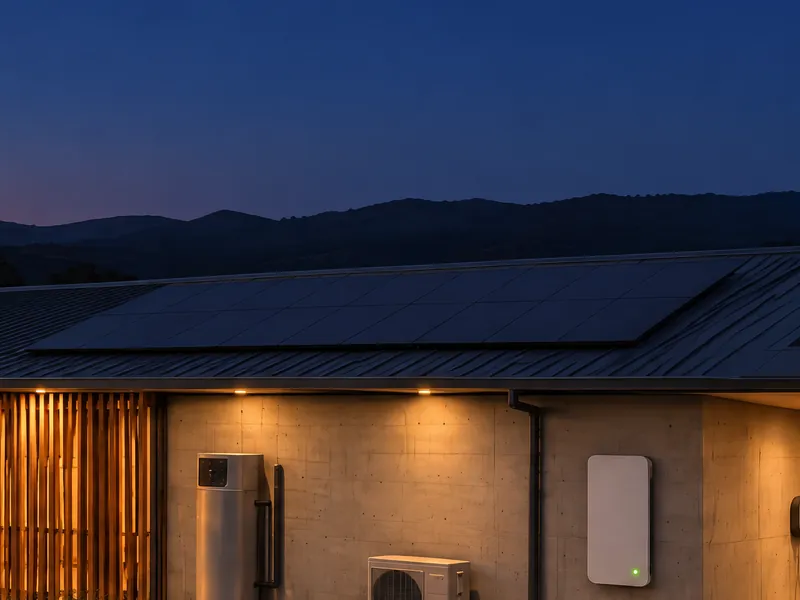
Replace each gas appliance with an efficient electric one, in an order that suits your home and your budget. Solar and a battery can make each step cheaper to run. Start with heat pump hot water or reverse cycle if you want to know how those work. Most gas homes are looking at some or all of these.
- Gas hot water to a heat pump
- Gas heating to reverse cycle air conditioning
- Gas pool heating to a pool heat pump
- Gas cooktop to induction
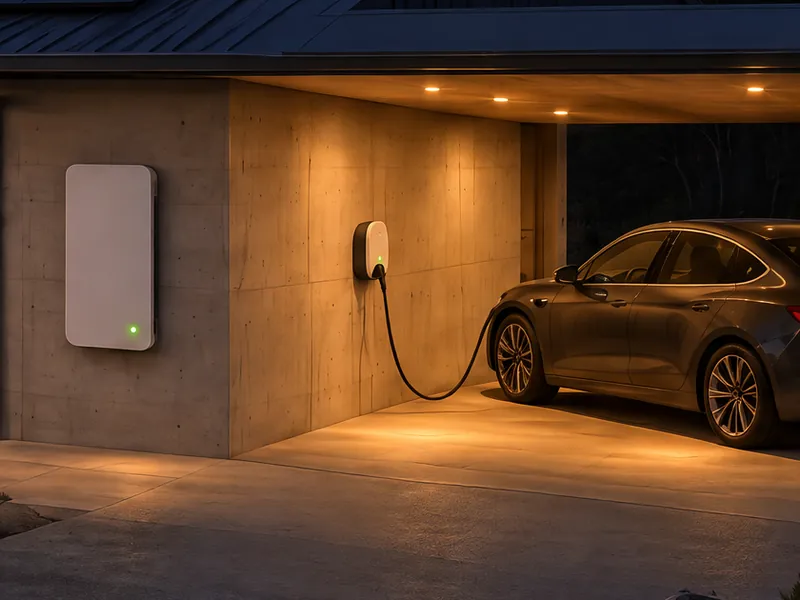
- Petrol car to an EV, with a home charger
Why the order matters
Energy upgrades are rarely cheap, and nobody wants to pay for the wrong appliance first. Because we work across solar, batteries, heat pumps and air conditioning, we can plan them as one system. If you already have solar, we help you use it better. If you are planning a battery, we make sure your heating and cooling benefit from it.
At your in-home consultation we go through your bills and look at the following, then give you the sequence and a detailed return on investment.
- Heating and cooling needs, and seasonal energy use
- How much you rely on gas
- Existing solar or battery
- Future plans, such as an EV
What you gain from leaving gas
Each part of an electric home makes the others more valuable. Solar reduces daytime running costs. A battery reduces night-time costs. Heat pumps do the heating with far less energy than gas systems use.
Excess solar goes into your home instead of being exported for a low feed-in credit. You also remove combustion from inside the house, which means no gas leaks, no carbon monoxide and no open flame in the kitchen. Burning gas indoors releases nitrogen dioxide and particulates, so air quality improves too.
Smart controls
Smart controls tie the system together. They let you track your energy use in real time and automate settings to reduce waste, across solar, batteries, lighting, heating and cooling. Our systems work with Home Assistant, EVs, air conditioning, hot water and pool pumps.
You keep using power as normal, and the system decides when to run things. With a large enough battery, it can also respond to wholesale energy prices.
Paying for it
Many households would rather not make several lump-sum purchases. Bundling upgrades into one finance plan redirects money you already spend on gas and grid power into your home. Whether that covers the repayments depends on your usage and system design, so we show you the figures before you commit.
Common questions
Do I have to replace everything at once?
No. Most homes do it in stages. We set out the order so each step fits the next and you do not waste money.
What should I replace first?
It depends on your bills and how old each appliance is. For many homes, reverse cycle or hot water comes first.
Do I need solar to go electric?
No, but it helps. Electric appliances can run on surplus solar instead of it being exported for a low feed-in credit.
Are electric appliances cheaper to maintain?
Usually. They have fewer moving parts, no combustion wear and generally need less servicing than gas systems.
Will a heat pump keep up in winter?
Yes. Modern hot water heat pumps are designed to run efficiently down to about -5°C, and reverse cycle provides heating through winter.
Explore this topic
Questions people ask us
Related services
What our customers say
Reviews of Westside Energy on Google.


Book your bill audit
Leave your details and an energy expert will call to arrange a time.