



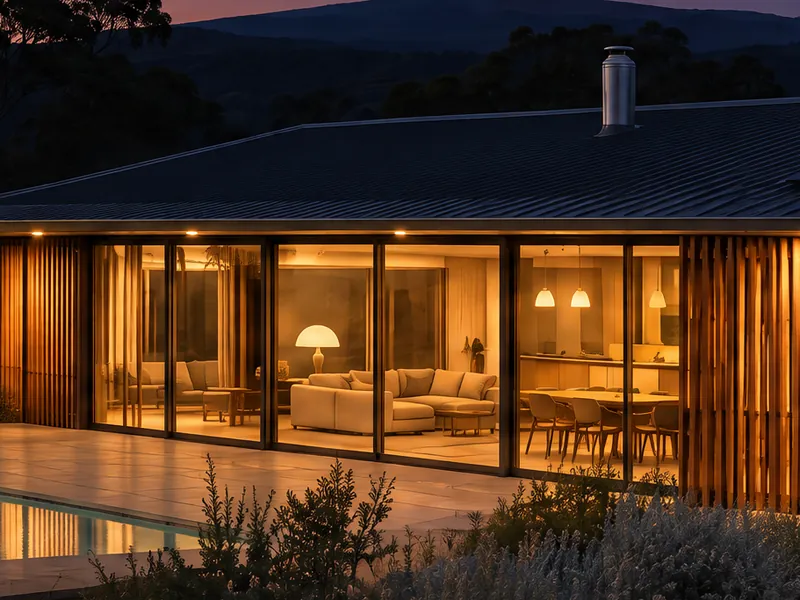

Reverse cycle air conditioning in Adelaide
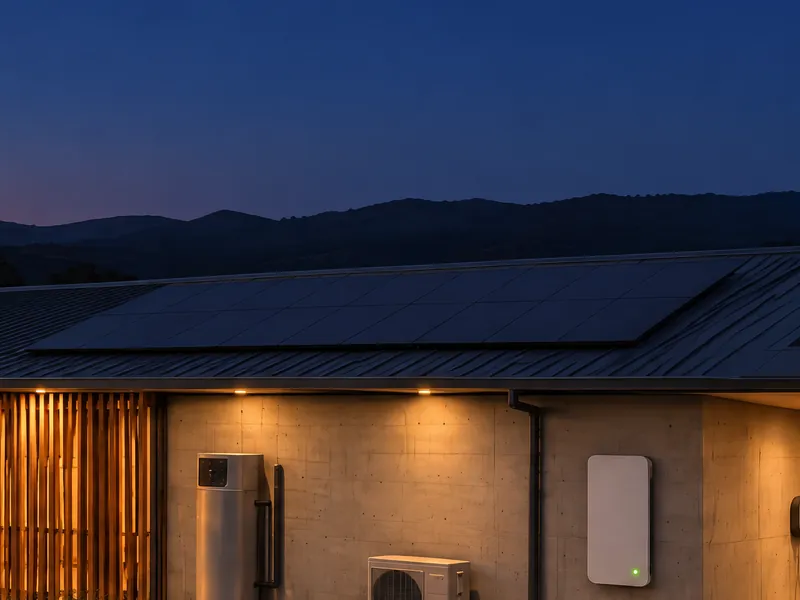
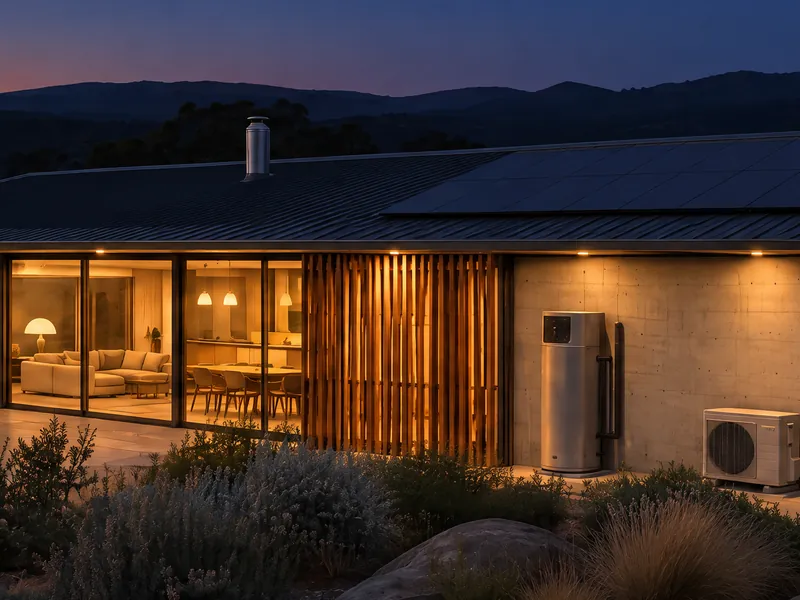
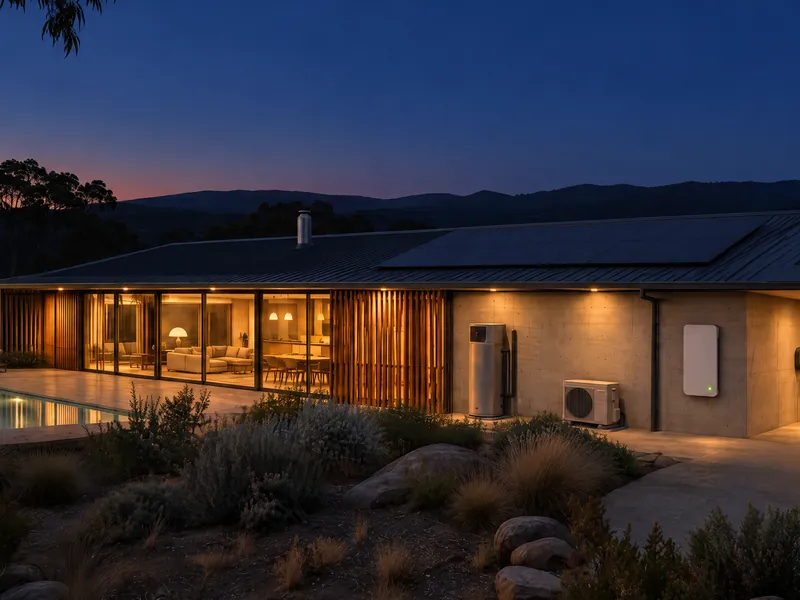
Reverse cycle heats and cools from one system. We choose the type and size from your home’s layout and your power bill, and plan it around your solar.

What reverse cycle system suits my home?
It depends on the size of your home, its layout and how many rooms you actually use. If you only heat and cool part of the house, room-by-room control can matter more than whole-home coverage.
- Split system: a wall-mounted unit for one room or zone
- Multi-split: several indoor units on one outdoor unit
- Ducted: central heating and cooling for the whole home
Why reverse cycle beats old heating
A reverse cycle air conditioner is a heat pump. For every 1kWh of electricity it uses, a typical modern system delivers 3 to 5kWh of heating or cooling. That makes it one of the cheapest ways to stay comfortable all year, and a clear step up from portable heaters, panel heaters and older gas ducted systems.
Heating is often where the money goes. Gas ducted heating is expensive to run, especially when you only want to heat part of the home. Reverse cycle also runs quietly, responds on demand and moves less dust than ducted gas.
How we size it
An oversized or undersized unit costs you efficiency and comfort. So we calculate the load before we choose the kW rating. On site we look at the things below, then give you a detailed proposal.
- Home size, layout and ceiling height
- Insulation and sun exposure
- Roof space and the best unit placement
What solar changes
Solar peaks from late morning to late afternoon, which is when air conditioners work hardest in summer. Using that power on cooling is often worth more than exporting it for a few cents per kWh.
In winter you can pre-heat the home in the middle of the day at low cost. Add a battery and more of that heating moves into the evening. For many homes, reverse cycle is also the first step to getting off gas. Most air conditioning installers only think about cooling and heating. We plan it with the rest of your home’s energy.
Installation and servicing
Split systems usually take 3 to 6 hours to install. Ducted systems can take 1 to 3 days, depending on complexity. With proper maintenance, split and ducted systems typically last 12 to 20 years. Clean filters and vents every 1 to 3 months, and book a professional service once a year.
Common questions
What is the difference between cooling-only and reverse cycle?
Cooling-only units just lower the temperature. Reverse cycle units both cool and heat, so one system works all year.
Can I control rooms separately?
Yes. Split and multi-split systems let each room or area have its own temperature setting.
What does it cost to run?
It depends on unit size, efficiency, hours of use and your electricity rate. Higher efficiency ratings mean lower running costs, and solar can reduce them further.
Are there rebates for air conditioning?
Some efficient units may qualify for state or federal rebates, especially when replacing an old system. We check what applies when we quote.
Is it safe to leave it on overnight?
Yes. Modern systems are designed for continuous safe operation, and a timer or sleep mode helps reduce running costs.
Can I control it from my phone?
Many modern units have Wi-Fi control through an app or home automation system.
Explore this topic
Questions people ask us
Related services
What our customers say
Reviews of Westside Energy on Google.


Book your bill audit
Leave your details and an energy expert will call to arrange a time.